

Ever wondered why one Ethiopian coffee tastes like a fresh bowl of strawberries while another from the same hillside reminds you of crisp lemonade? The answer usually lies in the processing method – the crucial bridge between the harvest and the roasting drum.
In our experience, the processing method is often the biggest factor in how your morning cup feels on your tongue. While light roast vs dark roast coffee choices define the intensity of the roast, the process determines the raw ingredients of flavor.
Natural process
The natural process, often called the "dry process," is the oldest method in the book. After the coffee cherries are picked, they are laid out in the sun to dry with the fruit still intact. It’s like letting a grape turn into a raisin while the seed is still inside.
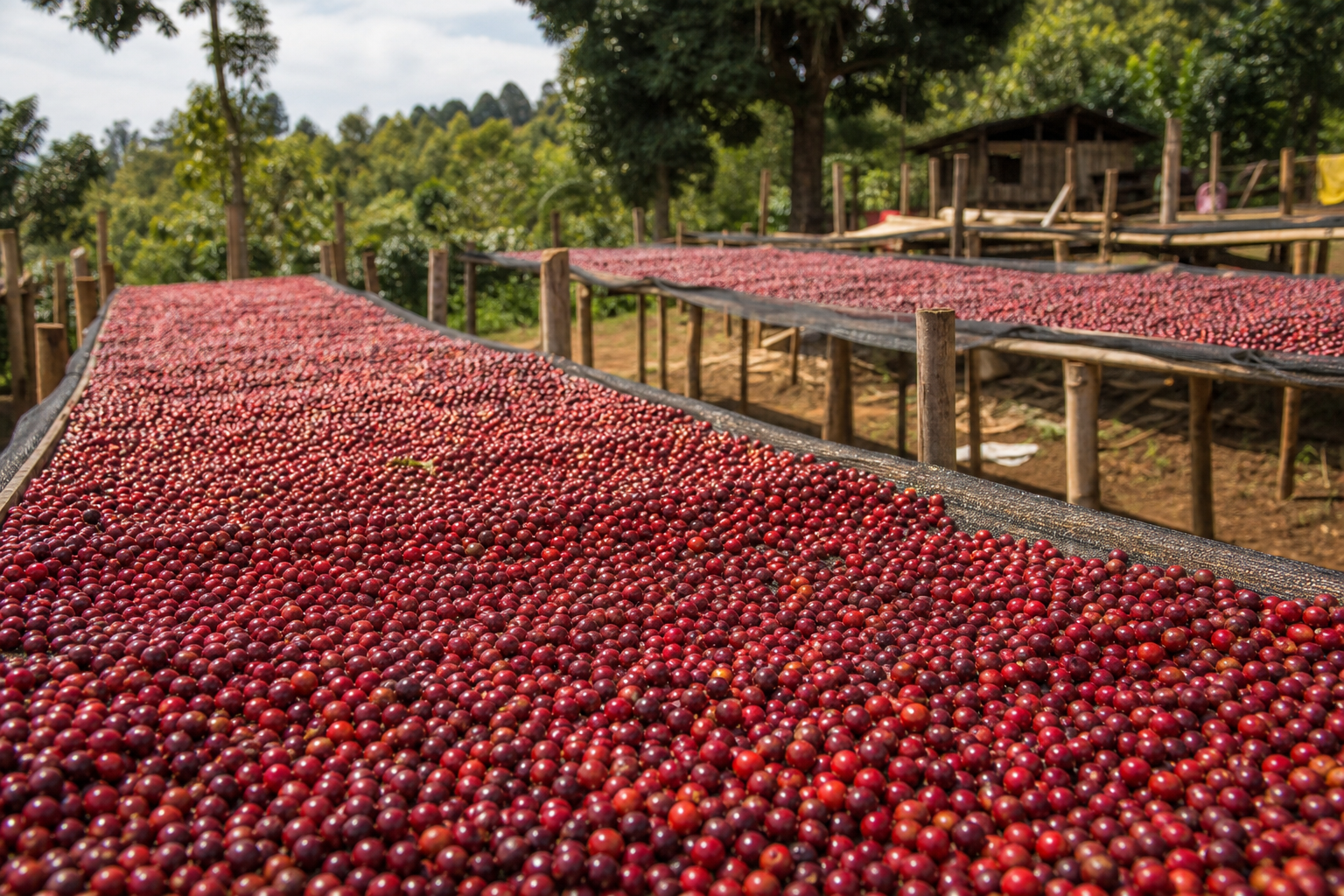
As the fruit dries, it begins to ferment slightly, and those natural sugars seep into the coffee bean. This creates a profile that is famously fruit-forward and intense. Many of our customers tell us that naturals are a great entry point into specialty coffee because the flavors are so distinct and easy to identify.
If you love coffee that tastes like blueberry jam, dried mango, or even red wine, you are likely a fan of natural specialty coffee beans. Because the bean spends so much time in contact with the fruit, the result is a heavier, syrupy body and a deep, lingering sweetness. We recommend trying fruit-heavy lots like Strawberry Kiss from DAK Coffee Roasters or the jammy Matazano from Crooked Nose Coffee.
[products ids='15590597984586,15544642011466,15398908428618']
Washed process
The washed process is all about clarity. Instead of drying the whole cherry, the skin and pulp are removed almost immediately using water and machinery. The beans then sit in fermentation tanks to break down any remaining sticky mucilage before being washed completely clean and set out to dry.
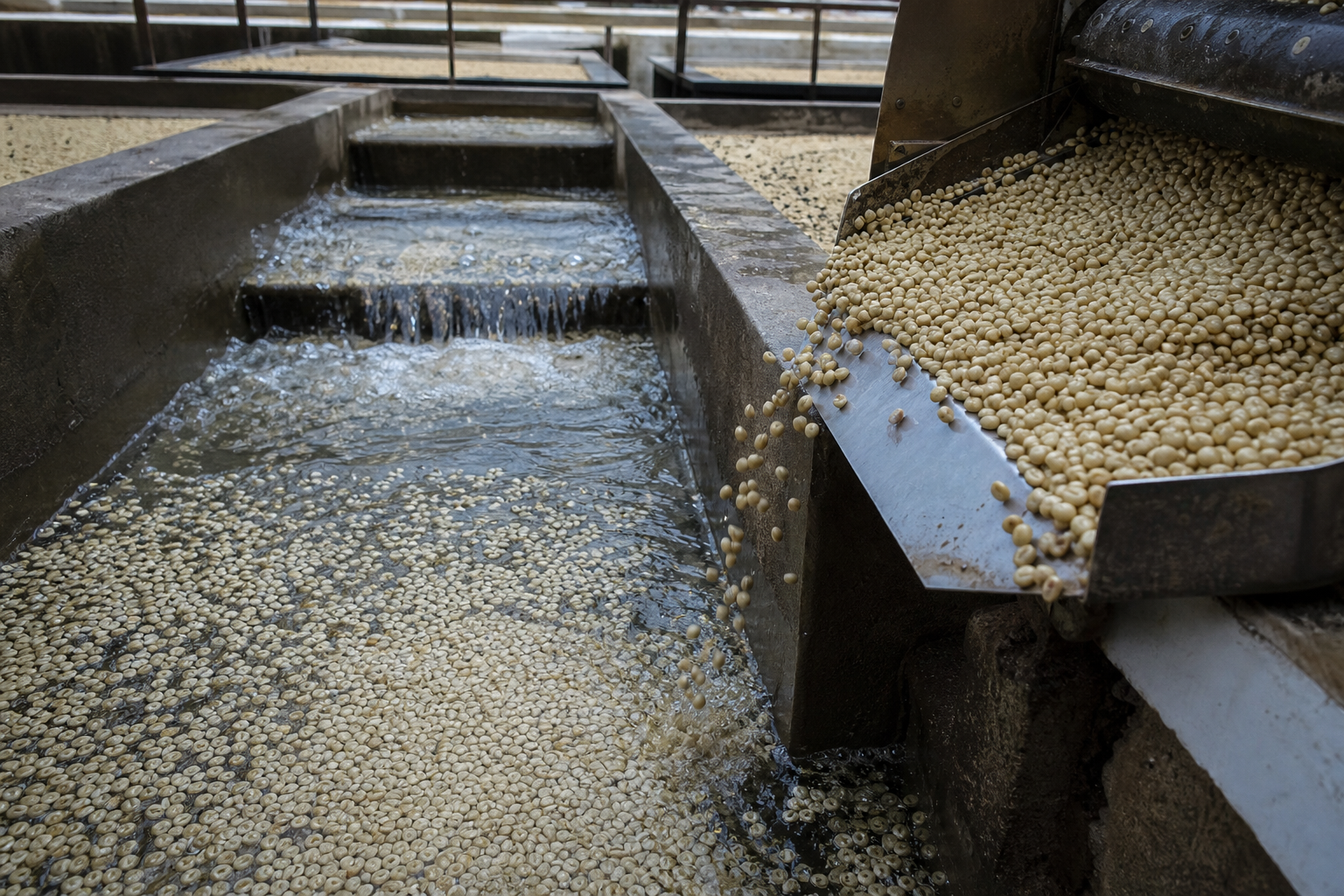
This method allows you to taste the "origin character" of the bean without the heavy influence of the fruit sugars. It’s a bit like a high-definition photograph; every note is sharp, clean, and well-defined. Washed specialty coffee beans are prized for their bright, sparkling acidity and elegant, tea-like mouthfeel.
If you enjoy notes of jasmine, citrus, or stone fruits, washed coffees will likely be your go-to. They are often perceived as more delicate, making them a favorite for pour-over enthusiasts who value transparency over punchy sweetness. We recommend tasting the crisp Karimikui from Morgon Coffee Roasters or the juicy Chelbesa Organic for a classic example of this style.
[products ids='15593841230154,15398909575498,15593842180426']
Sensory comparison
When you put these two side-by-side, the sensory differences are night and day. A natural Ethiopian might taste like dried raspberries and dark chocolate, while a washed Ethiopian from the same region could taste like bergamot and honeysuckle.
Naturals tend to have a wild or funky edge to them due to the fermentation of the fruit. In contrast, washed coffees are dependable and tidy. Think of a natural as a bold, experimental jazz record and a washed coffee as a perfectly executed classical concerto.
Texture and body
The mouthfeel of your coffee changes drastically based on these methods. Because natural coffees absorb many solids and sugars from the cherry during the drying phase, they often feel thicker on the palate. We often describe them as having a syrupy or creamy texture.
Washed coffees are much lighter on their feet. They have a silky, refreshing quality that doesn't linger as heavily. This makes them incredibly easy to drink, especially if you prefer a cup that feels clean and doesn't leave a coating in your mouth.
Profile selection
Choosing between the two depends entirely on your mood and how you brew. If you’re making a filter coffee and want something vibrant that wakes up your senses with citrus and floral notes, go for a washed lot. If you want a cozy, sweet, and fruit-heavy cup that feels like a treat, a natural is the way to go.
We recommend trying both from the same country – like Ethiopia or Colombia – to see exactly how the processing changes the experience. It’s one of the quickest ways to sharpen your palate and find your personal sweet spot in the world of specialty beans.
Ready to test your taste buds? Explore our specialty filter coffee beans to find your next favorite washed or natural lot.